
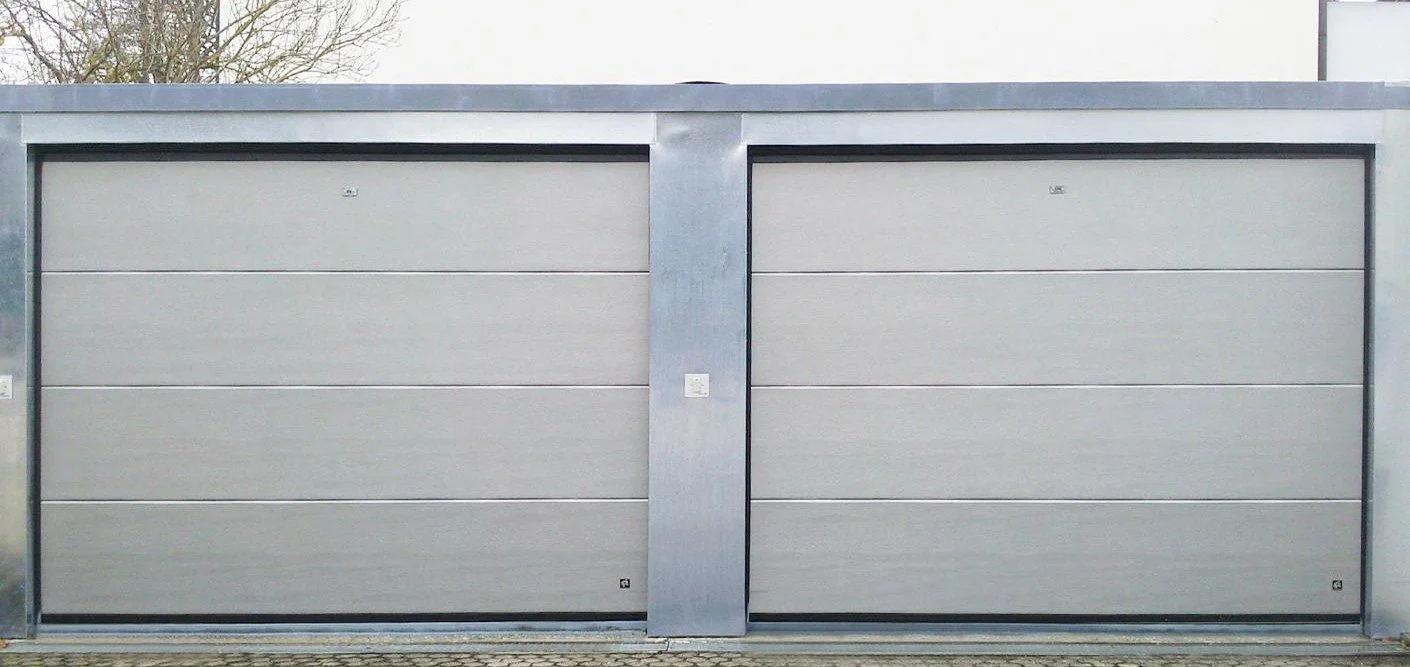
Sectional Doors
Engineered with insulated panels that lift vertically and travel along overhead tracks rather than rolling into a coil. This system removes the need for a rolling drum above the opening, offering enhanced insulation and efficient space utilization.
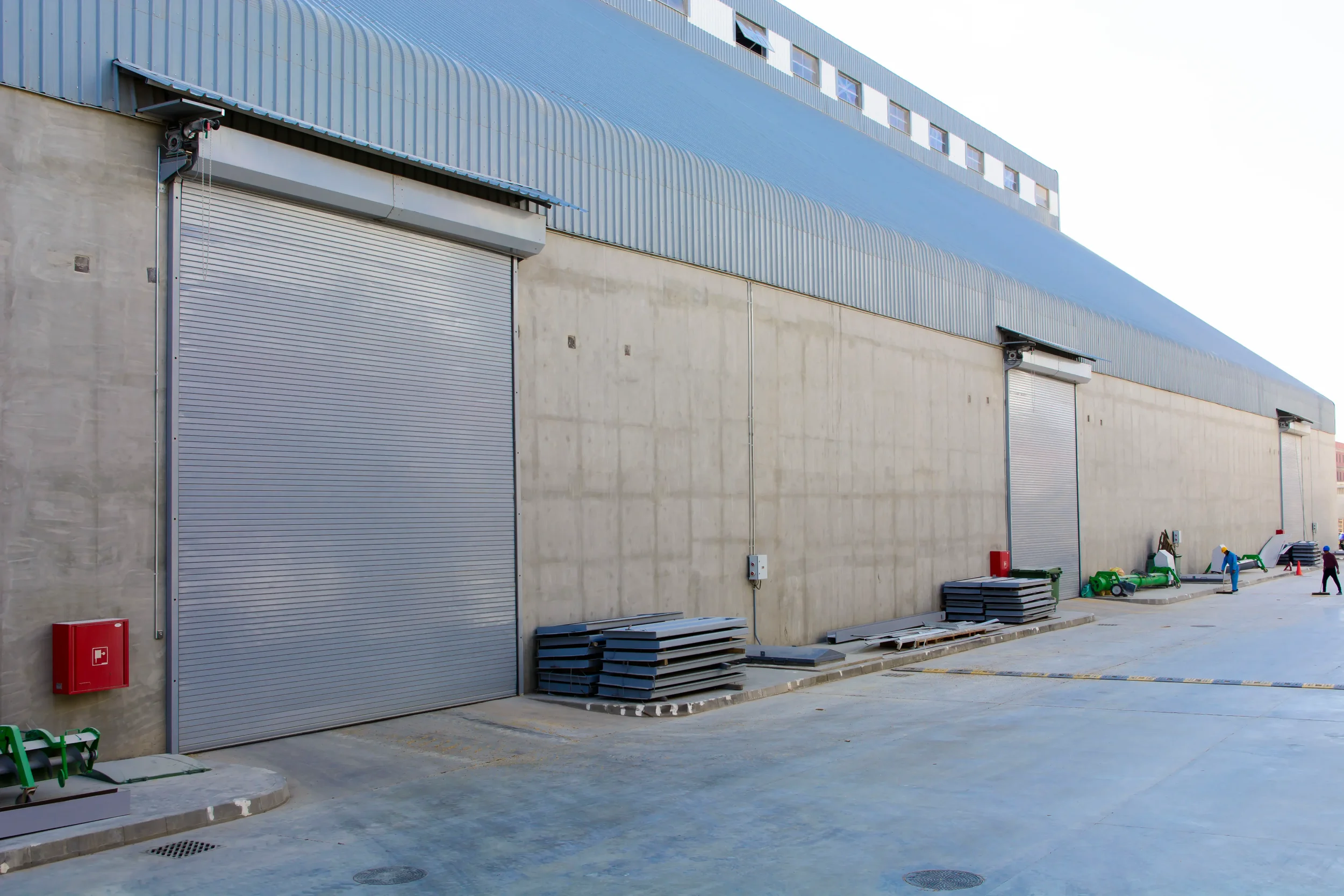
Rolling Doors
High-performance door systems that roll into a compact overhead coil, delivering durability, adaptability, and reliable operation across a wide range of industrial, residential, and commercial applications.
Core Structural Difference:
Material
Security Level
Opening Capability
Performance
Complete Guide to Understanding the Differences, Applications, and Best Use Cases!
Selecting the right door system is essential for optimizing workflow, space utilization, and overall facility performance.
At Almosallamy, we offer both Sectional Doors and Rolling Doors, each designed to meet different operational demands across industrial, commercial, and residential environments.
Understanding how these systems differ in design, operation, and functionality will help you make the right decision for your project.

-
Sectional Doors are made of insulated horizontal panels connected together, allowing the door to open vertically and slide along ceiling-mounted tracks.
This design eliminates the need for a rolling drum above the opening and ensures efficient space management and superior insulation performance.
-
Constructed from insulated sectional panels
Vertical lifting system with overhead tracks
No requirement for a top rolling coil
High thermal and acoustic insulation
Smooth and controlled operation
-
✔ Excellent insulation for temperature-controlled environments
✔ No need for overhead rolling space
✔ Clean and organized interior appearance
✔ Quiet and stable operation
✔ Ideal for logistics and warehouse applications -
✖ Requires internal ceiling space for track movement
✖ Higher upfront cost compared to basic systems
✖ Less flexible for certain heavy-duty industrial uses

-
Rolling Doors are designed to roll upward into a compact overhead coil, making them one of the most space-efficient door solutions at the opening level.
They include:
Rolling Sheet Doors (single galvanized steel sheet)
Rolling Shutter Doors (interlocking slats in steel or aluminum)
This variety allows rolling doors to serve applications ranging from light-duty to heavy industrial use.
-
Compact rolling mechanism above the opening
Available in sheet or slatted (shutter) designs
Suitable for a wide range of opening sizes
Can be manual or motorized
Designed for durability and repeated use
-
✔ Compact and space-efficient at the entrance
✔ Highly adaptable across different applications
✔ Suitable for heavy-duty environments (especially shutters)
✔ Wide range of design and material options
✔ Reliable performance in demanding conditions -
✖ Requires dedicated space above the opening for the rolling mechanism
Core Structural Difference:
Performance & Durability
Sectional Doors
Designed with insulated panels that provide stable performance and long-term durability, ideal for controlled environments and moderate to high usage.Rolling Doors
Built for high-frequency operation and demanding conditions, especially rolling shutters, making them suitable for heavy-duty industrial use.
Security Level
Sectional Doors
Offer strong structural security with solid panel construction, suitable for warehouses and secured facilities.Rolling Doors
Provide variable security levels — from basic protection (sheet doors) to high-security solutions (steel rolling shutters).
Size & Opening Capability
Sectional Doors
Best suited for medium to large openings, with limitations based on track system and ceiling space.Rolling Doors
Highly adaptable for small to very large openings, especially in industrial applications requiring maximum flexibility.
Applications
Sectional Doors
Warehouses, logistics centers, garages, and temperature-controlled environments.Rolling Doors
Retail shops, factories, industrial facilities, storage units, and high-traffic areas.